Able to Move More Freely Than Expected
Author : Dr. Sang-gyu KimNovember 18, 2026 at 02:59 PM 0
Truman Customer Story Column
Able to Move More Freely Than Expected

Read next — Customer Story Column
All Customer Story Columns →Doctor Column
All Doctor Columns →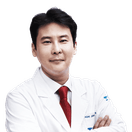
ABOUT THE AUTHOR
Incheon Branch · Ph.D. in Medicine · 3,000 Gynecomastia Cases · 25 Years of Surgical Practice
Key Background
- · Ph.D. in Medicine
- · Board Certified, Seoul St. Mary's Hospital, The Catholic University of Korea
View Full Profile ›
"25 years of surgical practice and 3,000 gynecomastia cases. I am committed to safe results, backed by proven experience."
"Most patients at Trueman Incheon come to us through a referral or word of mouth from someone we have operated on. As a meticulous, perfectionist specialist, I sculpt the male chest safely and carefully, with confidence in the surgery, to meet what our patients expect."
- · Former Director, Beauty Line Plastic Surgery, Cheongdam-dong, Seoul
- · Advanced Program in Health Policy, Seoul National University Graduate School (2013)
- · Adjunct Professor, Korea University Anam Hospital
- · Deputy Director, International Medical Center, Yanda International Hospital (Yanjiao, near Beijing, China)
- · Member, Korean Society of Breast Aesthetic Surgery
- · Member, Korean Society for the Study of Liposuction (KSSL)
- · Member, International Society of Obesity and Body Contouring